Industrial Portable Restrooms
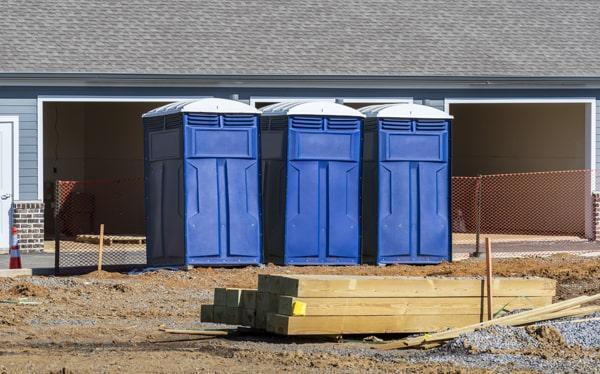
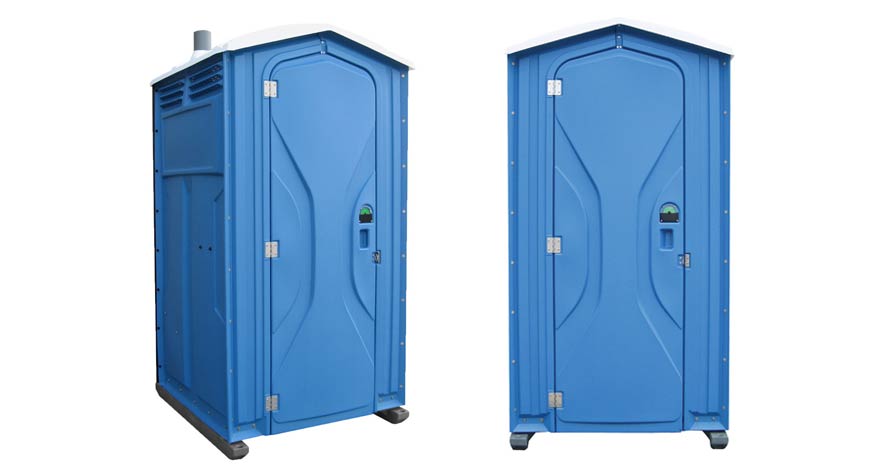
Heavy-duty, high-capacity units for plants and warehouses in Lenexa, KS.
- ✓ Fast Deployment
- ✓ Reliable Servicing
- ✓ Durable Build
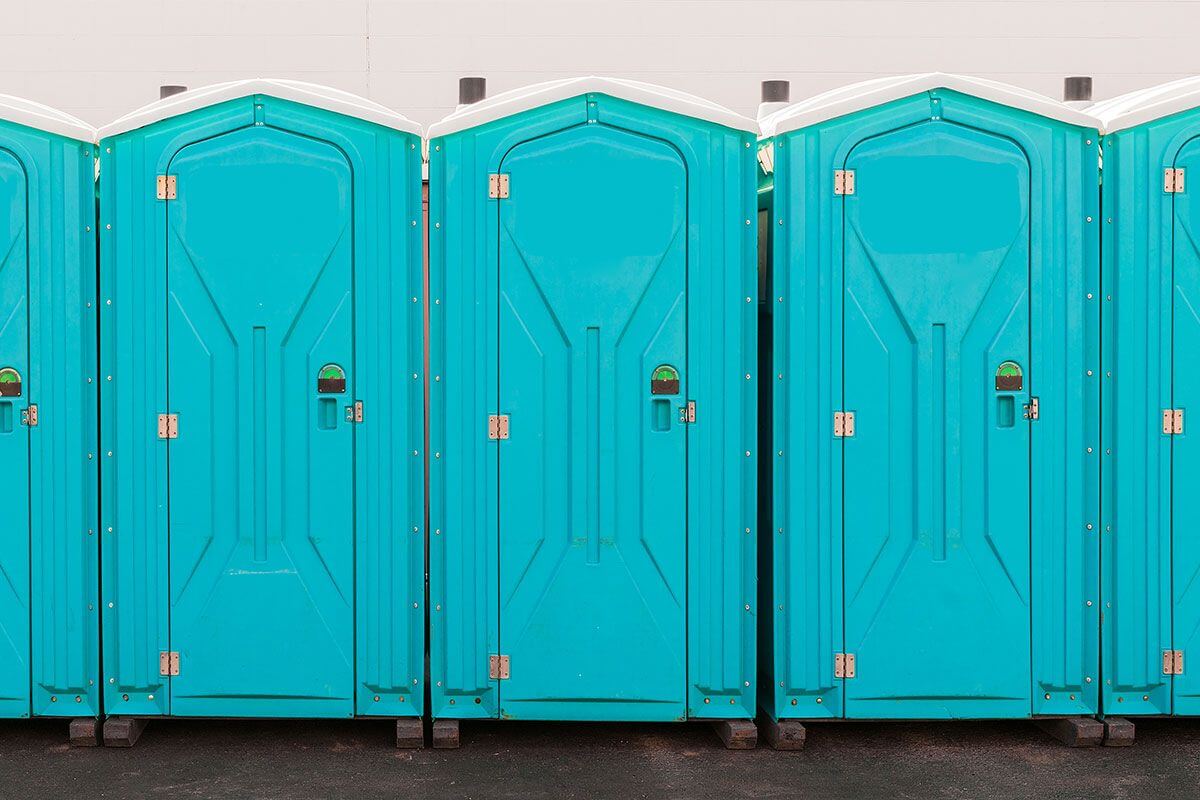
Heavy-duty, high-capacity units for plants and warehouses in Lenexa, KS.
Industrial restroom planning should begin with the work zone map. Identify where employees report, where contractors enter, which areas have the highest daily headcount, and where equipment or truck traffic is heaviest. Restrooms should be convenient enough to encourage use while remaining outside loading paths, forklift lanes, emergency routes, equipment staging areas, and areas with site-specific hazards. A stable, level surface is important, along with a clear route for delivery and ongoing service. If site access requires a gate code, escort, sign-in procedure, safety check, or advance notice, provide those instructions before delivery and keep the designated contact current. Quantity planning depends on the regular workforce, shift overlap, temporary labor, visitors, and the distance between work areas. A single centrally placed unit may not be practical across a large property or where crews are separated by production, storage, or outdoor work zones. Consider the workday schedule as well. Breaks that occur at the same time can create concentrated demand, while staggered shifts may spread use more evenly. If workers need an accessible option, discuss the appropriate configuration during the planning stage so access needs can be considered alongside placement. Industrial environments also benefit from a clear approach to keeping the restroom area open. Pallets, dumpsters, parked trailers, raw materials, and snow piles can gradually encroach on the unit or the service lane. Designating the restroom location on the site plan and communicating it to supervisors can reduce avoidable relocation issues. SafeSite Site Services can help translate straightforward site information into a portable restroom plan that supports daily operations without adding unnecessary disruption.
Service needs for an industrial portable restroom rental can change as a project or operation changes. Increased production, a turnaround period, a contractor surge, or an additional shift can all raise usage. Let the team know about anticipated changes rather than waiting until the site is already crowded. A service schedule should reflect the actual number of users and the way the units are used, with regular access maintained for the service vehicle. Before a scheduled visit, check that gates are unlocked or that the designated entry process is available, and make sure the route is not blocked by trailers, materials, or active work. For sites with strict safety policies, explain any required personal protective equipment, traffic rules, or check-in expectations in advance. Clear instructions support smooth, professional visits. Weather planning is also useful for outdoor industrial locations. During rain, freeze-thaw cycles, or snow, verify that the unit area and vehicle approach remain firm and passable. If conditions require a temporary change in access, communicate it as soon as possible. When requesting a quote, describe the industrial setting, estimated workforce, shift schedule, rental length, desired placement area, delivery restrictions, and service considerations. Those details are more useful than a generic request because they help match the conversation to the conditions on your site. SafeSite Site Services provides good quality service for businesses that need practical sanitation coordination. Reach (913) 430-7744 to discuss industrial portable restrooms, or email info@lenexaportapotty.com with the address, contact details, and a concise summary of access requirements. Calls are accepted 24/7 for rental inquiries and scheduling conversations.